Events »

Thursday, October 4 2012 starting with 17:00 at “Lascar Vorel” Galleries from Piatra Neamt took place the opening of the exhibition of the painter Eugen Craciun, called “Remember – 90 years from the birth of the artist”. The opening of the exhibition was presented by the art critique Lucian Strochi. With this occasion were also presented the albums dedicated to the creation of Eugen Craciun.
The painter Eugen Craciun lived between 1922 and 2001 and was born in Piatra Neamt. He studied at the Academy of Art from Iasi between 1947 …
Events, Neamţ, simply delicious! »

Between October 7 and 10 took place in Piatra Neamt the IV edition of the European Congress of Rural Tourism. The theme of this year’s edition was “Innovation tourism – a new life for rural areas” where there were participants from 26 countries, members of EU. The official opening was Sunday October 7 in the Royal Court from Piatra Neamt where there were local artisans, a pie oven, a blacksmith, a carpentry and a small stage where the officials talked about the event.
Saturday and Sunday, the participants to the congress …
Events, Tourism Promotion »
October 15 – 26 2012
October 15
Gong at … Harlequin!, 11:00, 15:00, 17:00
Location: Room “Teatrul de Joaca” from Neamt County Library
Repetition
People, supporting people!, 12:30
Location: “Alternative pentru fiecare” Association (Street Decebal, Bl E2)
An informative campaign
How to become better parents?, 16:30
Location: Room “Info-Club” from Neamt County Library
October 16
Gong at … Harlequin!, 17:00
Location: Room “Teatrul de Joaca” from Neamt County Library
Repetition
English Club, 17:30
Location: Neamt County Library
An event designated to improve your English skills
October 17
Gong at … Harlequin!, 11:00, 17:00
Location: Room “Teatrul de Joaca” from Neamt County Library
Repetition
October 18
How to become better parents?, 16:30
Location: Room …
Events, Tourism Promotion »
September 24 – October 05 2012
September 24
Gong at … Harlequin!, 15:00, 17:00
Location: Room “Teatrul de Joaca” from Neamt County Library
Repetition
September 25
Poetry days in Vaduri, 10:00
Location: Room “Cupola” from Neamt County Library
English Club, 16:30
Location: Neamt County Library
An event designated to improve your English skills
Gong at … Harlequin!,17:00
Location: Room “Teatrul de Joaca” from Neamt County Library
Repetition
September 26
Poetry days in Vaduri, 11:00
Location: Room “Cupola” from Neamt County Library
Gong at … Harlequin!, 11:00, 15:00, 17:00
Location: Room “Teatrul de Joaca” from Neamt County Library
Repetition
September 27
Gong at … Harlequin!, 17:00
Location: Room “Teatrul de Joaca” from Neamt …
Events, Tourism Promotion »
September 17 – 28 2012
September 17
First days of school, first days in the library …, 11:00
Location: in front of Neamt County Library
Gong at … Harlequin!, 11:00, 15:00, 17:00
Location: Room “Teatrul de Joaca” from Neamt County Library
Repetition
September 18
English Club, 16:30
Location: Neamt County Library
An event designated to improve your English skills
Gong at … Harlequin!, 17:00
Location: Room “Teatrul de Joaca” from Neamt County Library
Repetition
September 19
Gong at … Harlequin!, 11:00, 15:00, 17:00
Location: Room “Teatrul de Joaca” from Neamt County Library
Repetition
Autumns from old times, 12:00
Location: The social center “Pietricica”
Poetry recital
September 20
Gong at … Harlequin!, 17:00
Location: …
Events, Tourism Promotion »
October 08 – 19 2012
October 8
Gong at … Harlequin!, 11:00, 15:00, 17:00
Location: Room “Teatrul de Joaca” from Neamt County Library
Repetition
October 9
Gong at … Harlequin!, 17:00
Location: Room “Teatrul de Joaca” from Neamt County Library
Repetition
English Club, 17:30
Location: Neamt County Library
An event designated to improve your English skills
October 10
Gong at … Harlequin!, 11:00, 17:00
Location: Room “Teatrul de Joaca” from Neamt County Library
Repetition
How to reborn at old age, 12:00
Location: “Speranta Doraly” Foundation (Street Emil Costinescu no 1)
October 11
Gong at … Harlequin!, 17:00
Location: Room “Teatrul de Joaca” from Neamt County Library
Repetition
October 12
Non conformist education, 13:00
Location: …
Museums »
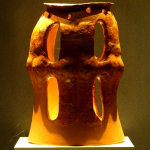
The museums from Piatra Neamt offer to tourists some interesting collections that represent testimonies of our past and our heritage. These collections contain cultural pieces with historic, archeological, documentary, technical and scientific value.
The Collection from the Neolithic Art Cucuteni Museum is the most important Neolithic collection from the south east of Europe. The museum exhibits tridimensional objects as well photographic materials. The painted ceramics from the cucuteni period is one of the most beautiful manifestations of art in the Neolithic period.
The Collection from the History and Archeology Museum from Piatra …
Journey into bison’s Kingdom

360º Virtual Tour – Tourism in Neamt County

Subscribe and receive our articles in your e-mail
Join us on








Categories
- Attractions
- Bicaz Gorges – Hăşmaş National Park
- Ceahlău National Park
- Cultural routes
- Customs, traditions and crafts
- Editorial releases
- Entertainment
- Events
- Events and projects financed by Neamţ County Council
- Exhibitions
- Faith and spirituality in Neamţ
- Featured
- Festivals organized by Neamţ County Council
- Headline
- Hiking Routes
- Lakes in Neamţ County
- Local artisans
- Neamţ County Pilgrimages
- Neamţ Icons: Great Artists & Thinkers
- Neamţ, simply delicious!
- Other Articles
- Participation in Tourism Fairs
- Tourism Promotion
- Tourist trails
- Traditional romanian architecture
- Uncategorized
- Vânători Neamţ Nature Park
- Villages in Neamţ