
Attractions, Tourism Promotion »

Veronica Micle
Memorial House
The house, located at the old heart of the town of Târgu-Neamţ, was built in wood and brick by the Neamţ Monastery in 1834, in the most authentic Romanian style, intended to be a school or a hostel. The house was bought in 1850 by the poet’s mother, a recent refugee from Transylvania (the Năsăud area) due to the Hungarian authorities’ persecution. The house – with three rooms viewing on the street, a basement, stables, a well, and an orchard – was given to Veronica as dowry …
Churches, Monasteries, Tourism Promotion »
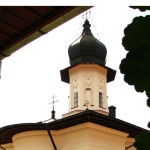
Agapia Convent
The convent seems to have taken its name from the hermit Agape, who erected the first monastic site around 1380, in Agapia Veche. The current religious establishment, 2 km downstream from the former, was commissioned by the Minister of War [“hatman”] Gavril, Prince Vasile Lupu’s brother, in 1644. Throughout the centuries, the monastery underwent repeated looting, destruction, or even fires, but it was restored and consolidated time and time again.
The inside painting adds a special value to this monument as it was painted by the very young Nicolae Grigorescu …
Churches, Monasteries, Tourism Promotion »
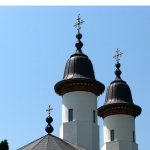
Văratec Convent
We owe the current church of the largest convent in Romania – built on the site of the former building commissioned by Sister Olimpiada, the Mother Superior, and by father confessor Iosif in 1785 – to the idea and efforts of Sister Nazaria, the Mother Superior between 1808 and 1812. The two bell-shaped domes add to the uniqueness of this neo-Byzantine religious site. Inside, between the nave and the narthex, there are two massive pillars, with Ionic capitals. The painting on the inside walls date to the nineteenth century.
The …
Attractions, Lakes in Neamţ County, Nature Parks, Tourism Promotion »
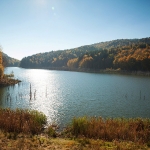
Lake Cuejdel
Located in the central area of the county, it is the largest naturally dammed lake in the country – i.e. area – 12.2 hectares, length – 1 km, average width – 102 m, and average depth – 7.44 m. It was formed at the foot of Culmea Muncelu, following sizeable successive landslides that affected the left bank of Cuejdel Valley, between 1978 and 1991. The causes behind these landslides were mainly natural such as the high gradient of the slopes and their lithology, heavy rainfall and the 1990 earthquake.
In …
Churches, Monasteries, Tourism Promotion »
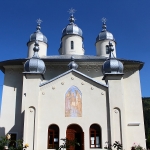
Horaiţa Monastery
Located in the commune Crăcăoani, the monastery was built in 1824, by archimandrite Irinarh Roset, with the support of the Metropolitan Bishop Veniamin Costachi, on the site of a fifteenth-century wooden church. Today’s church, a Byzantine-style monumental building, with eight domes and very thick stonewalls, was commissioned by the following Father Superior, archimandrite Ermoghen Buhuş, between 1848 and 1867. The monastery has an icon of Virgin Mary, believed to make miracles. The iconostasis, crafted in Vienna in gilded wood, is a unique piece of work with the pulpit above …

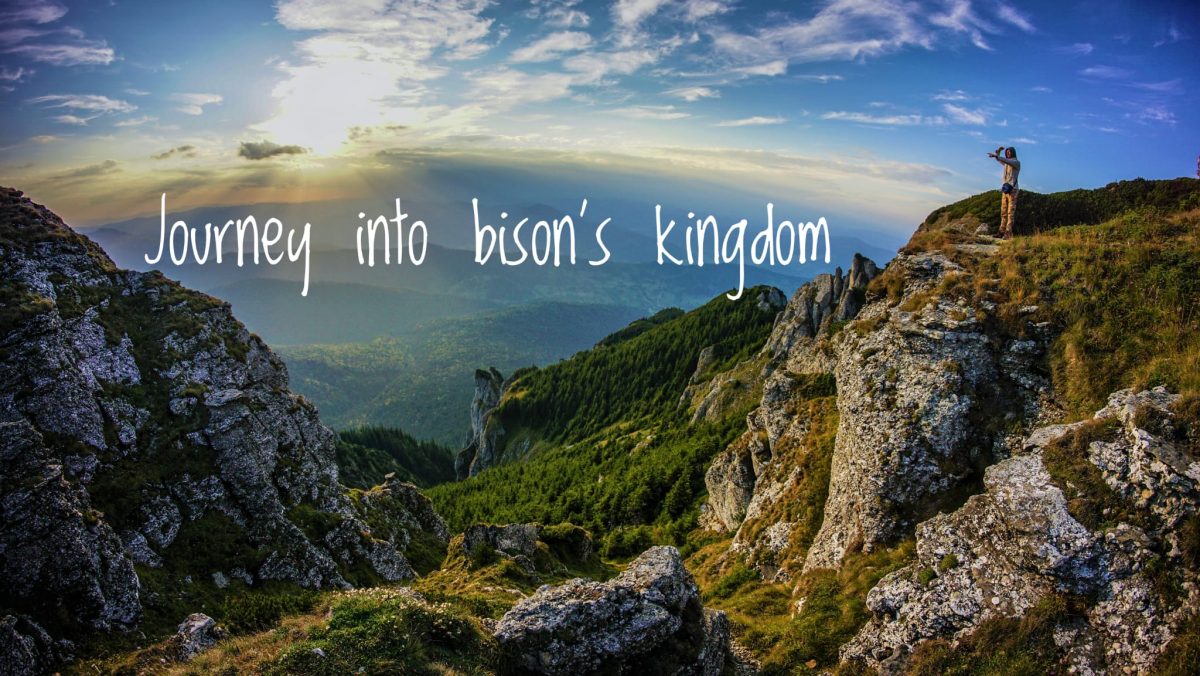
Journey into bison’s Kingdom
360º Virtual Tour – Tourism in Neamt County
Subscribe and receive our articles in your e-mail
Join us on










Categories
- Attractions
- Bicaz Gorges – Hăşmaş National Park
- Ceahlău National Park
- Cultural routes
- Customs, traditions and crafts
- Editorial releases
- Entertainment
- Events
- Events and projects financed by Neamţ County Council
- Exhibitions
- Faith and spirituality in Neamţ
- Featured
- Festivals organized by Neamţ County Council
- Headline
- Hiking Routes
- Lakes in Neamţ County
- Local artisans
- Neamţ County Pilgrimages
- Neamţ Icons: Great Artists & Thinkers
- Neamţ, simply delicious!
- Other Articles
- Participation in Tourism Fairs
- Tourism Promotion
- Tourist trails
- Traditional romanian architecture
- Uncategorized
- Vânători Neamţ Nature Park
- Villages in Neamţ