Attractions, Entertainment, Lakes in Neamţ County, Other Articles, Tourism Promotion, Tourist trails »
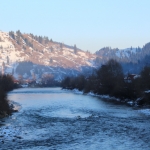
On Bistrita Valley tourism is made all year and is an area increasingly sought after by tourists.
The charm and energy of this valley made the feather of several writers to lay beautiful words that we find from Dimitrie Cantemir in Moldavia Description, at Alecu Russo in Singing Romania or Alexander Vlahuţă in Romania picturesque. Among many others, Sadoveanu, charmed by the character of people, customs and their way of life, places the action of the novel Hatchet right on the course of this valley. Crossing the county, Bistrita`s water witnessed many historical …
Attractions, Churches »
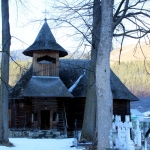
Wooden church in the village of Galu, commune Poiana Teiului, Neamt County was built in the early nineteenth century on the site of a much older ancient shrine of 1780, destroyed in unknown circumstances. Built on a knoll, the church burnes in 1812, to be raised again after several years of effort, this time near the bank of Bistrita, up to 1818. The church building is made in Moldavian style with some Transylvanian influences, justified by Transylvanian migration from the late eighteenth century, to Moldova, on which occasion, we remember that …
Tourism Promotion »

In the monastic village near Agapia, on a hillside, mother Elizabeth Strajescu, sister of the writer, built in 1885, a small wooden house with porch where after his mother moved. In this house, the writer Alexandru Vlahuţă (1858-1919) came in summer to rest. Sometimes was bringing his friends, Caragiale (1852-1912), Slavici (1848-1925), Delavrancea (1858-1918), Haşdeu (1838-1907), Octavian Goga (1881-1938) and Paul Bujor (1862- 1952), among which includes, of course, and painter Nicolae Grigorescu (1838-1907), who painted the monastery church. Alexander Vlahuţă Memorial House is now a memorial museum established in 1958. In the …
Tourism Promotion »

Formed in 1962, when it was constructed the hydropower plant with the same name, the lake is situated at an altitude of 325 meters, has an area of 240 hectares, the maximum width of 1 km, length of 3.2 km and a depth of about 15 meters. It is fed by the river Bistrita and brook Doamna, right affluent of the lake. Bâtca Doamnei Lake is located right at the edge of Piatra Neamt County, near the city’s ring road, at the exit towards Bicaz. Being an oasis of tranquility and recreation for …
Attractions, Churches »
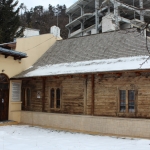
Unique in Europe these days, Synagogue Cathedral Baal Shem Tov , built in 1763, is one of the most important heritage buildings in Piatra Neamt. Local legend says that Rabbi Eliezer ben Israel, known as the Baal Shem Tov (1698 – 1760), founder of Hasidism, retired in Ceahlău mountains, and on the sabbath day he descends to pray in the synagogue. New researches made during renovations in 2007-2009 found that is built on the site of an ancient stone synagogue dating from the sixteenth century. The ship rectangular shape and joining techniques of the thick …
Tourism Promotion »

Zoological Park, located on Stefan cel Mare street, was arranged between 1900-1904 by Nicu Albu, mayor of the city Piatra Neamt at that time. Considered one of the finest zoos in Romania, always clean and well cared for, here you can admire various species of animals representing the fauna of our country and other regions of the world. Thus, visitors of all ages can admire the brown bear with its massive body over 2m and weighing about 600kg, wolf, porcupine, which is the third largest member of the rodent family, whose …
Events »

In Piatra Neamt, events occasioned by the celebration of the Union have started on 21st of January at the Museum of History and Archaeology, where it was held the symposium The Union, the nation did it!, manifestation in collaboration with The Garrison, The Military Circle, Association of Reserve and Retired Officers in Piatra Neamt, with the participation of students from the School of Arts Victor Brauner, who performed a concert of classical music in the presence of a large audience. On 22nd of January, organized by Inspectorate of Education, County Association of Teachers of History, at …
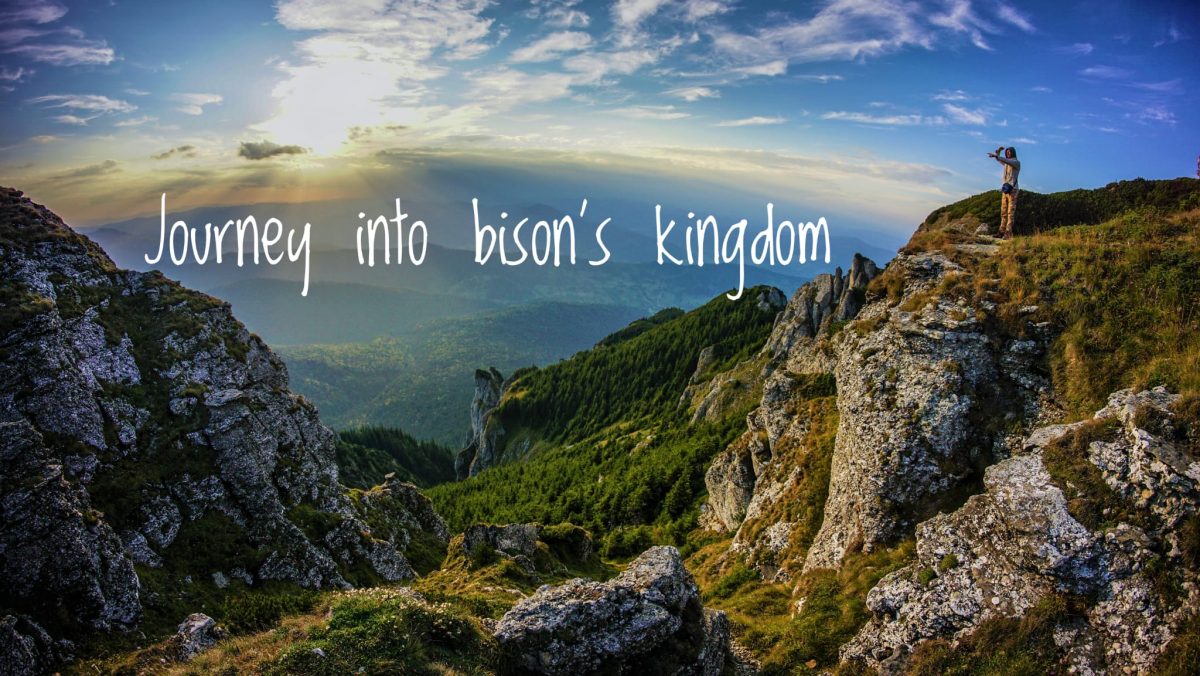
Journey into bison’s Kingdom
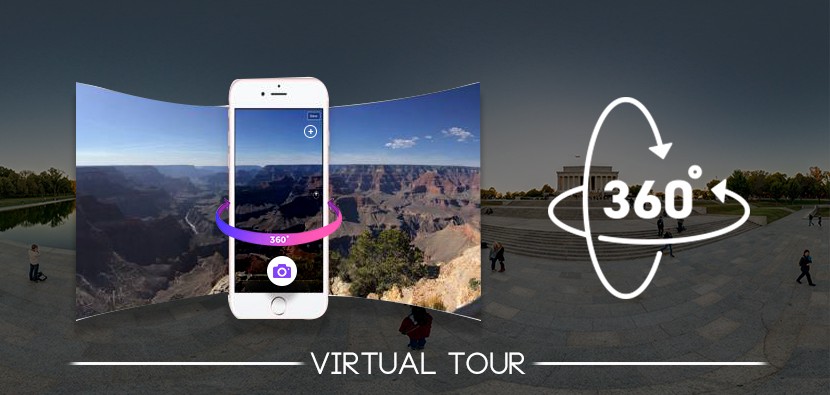
360º Virtual Tour – Tourism in Neamt County
Subscribe and receive our articles in your e-mail
Join us on









Categories
- Attractions
- Bicaz Gorges – Hăşmaş National Park
- Ceahlău National Park
- Cultural routes
- Customs, traditions and crafts
- Editorial releases
- Entertainment
- Events
- Events and projects financed by Neamţ County Council
- Exhibitions
- Faith and spirituality in Neamţ
- Featured
- Festivals organized by Neamţ County Council
- Headline
- Hiking Routes
- Lakes in Neamţ County
- Local artisans
- Neamţ County Pilgrimages
- Neamţ Icons: Great Artists & Thinkers
- Neamţ, simply delicious!
- Other Articles
- Participation in Tourism Fairs
- Tourism Promotion
- Tourist trails
- Traditional romanian architecture
- Uncategorized
- Vânători Neamţ Nature Park
- Villages in Neamţ